Hello! I chose Japanese elementary and junior high schools as the theme of this month. If you are interested in Japanese high schools and haven’t read my September Tro-journal, please check it out! Also, don’t forget to check the answers of the quiz last month at the end of this article!
- Uniform, school rules (junior high school)
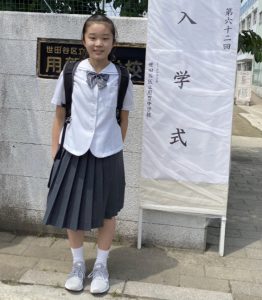
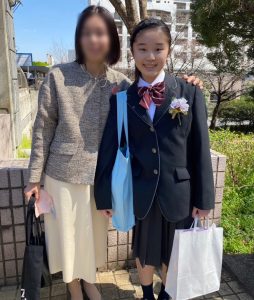
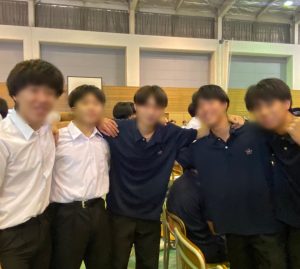
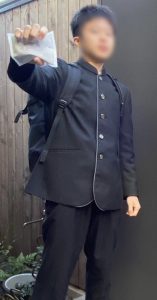
Normally, there are some rules to keep order in junior high school. Students are required to wear uniforms properly every day following appearance rules, such as the color of socks and hair, length of skirts, buttoning all the buttons on their jackets, tucking shirts in their pants or skirts, tying hair if it is longer than your shoulders, and so on. Teachers sometimes correct students if they are not following the rules.
- Unique school supplies of elementary school
There are some unique supplies used in elementary school.
[randoseru] -school backpack
The most symbolic unique supply is a backpack which is called “randoseru”. It’s made of leather and it has a specific shape. Since it is not cheap, once children get their randoseru, they use it until they graduate from elementary school. Randoseru shops become busy in the particular season, so many parents start looking for their kids’ randoseru very early. Choosing the color and design of randoseru is one of the big events for little children before starting elementary school. (left picture below)
[bousaizukin] -safety hood
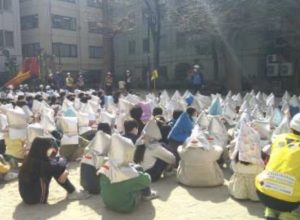
Bousaizukin is a safety hood made of quilting and special fabric which is strong against fire. We have earthquakes very often in Japan. Most of them are very small, but we are always at risk of earthquakes, so we have earthquake evacuation drills almost once a month. Children wear it when they evacuate to protect their heads. When they don’t use it, they hang it on the back of chairs in order to use it whenever it’s needed.
[yellow hat]
It is normally only for 1st graders. They wear yellow hats on their way to school and back home to let adults in their community know that they are 1st graders who should be watched over and be noticed by car drivers easily.
- How to go to school
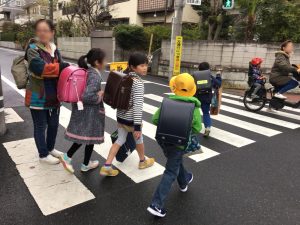
Even first-grade children walk to school by themselves without their parents. Children practice going to school with their parents before they enter first grade. Many elementary schools have a system where children who live close get together at the same place in the morning, and older children lead little kids to school. Also, janitors or parents stand at spots which can be dangerous such as intersections with yellow flags to protect safety. Most junior high school students also walk to school. Many students enjoy going and back with their friends.
- School lunch
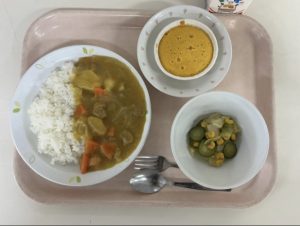
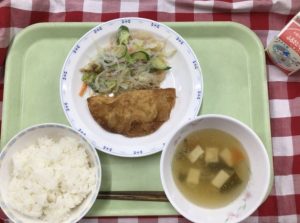
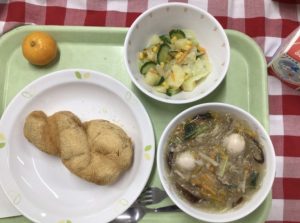
Public elementary and junior high schools serve school lunches at low cost. In some cities including my hometown, school lunch is covered by taxes, so children can eat it for free. School lunch is considered to be very important as food education. There are nutritionists in each school. They make menus, ensure ingredients are fresh, and teach children the importance of nutrition and healthy eating habits. Menus are created considering nutrition balance, seasonal ingredients and events, variety, and students’ preferences. In my elementary and junior high school, we had “Request Lunch”, which served popular menus voted by students once every couple months.
School lunch is also considered as an opportunity to improve cooperativeness and the mind of thankfulness for foods. Students prepare for lunch by themselves in each homeroom classroom. A wagon which carries big containers of food, plates and cutlery is delivered to each class during the fourth period, and 5 to 7 students who are on duty distribute meals to other students. There are some groups in a homeroom class, and we do lunch serving in rotation. We try to make as little food loss as possible. Especially elementary students are educated to try a bite even if it’s not your favorite. In my junior high school, the weight of the food loss is measured every month, and we look back at the result at the end of the month.
- How they spend their time after school
[elementary school children]
Many children enjoy playing in playgrounds, common areas of apartments, or in their friends’ houses. Children’s centers are popular places to get together because there are friendly staff who watch over and play with children, and they can borrow many kinds of toys, board games, books, and sports equipment like badminton rackets and ping-pong tables.Also, many children have additional lessons outside of school. Sports like soccer, baseball, and swimming, music instruments like piano, and cram school called juku are common.
[junior high school students]
Most students belong to club activities and they practice after school. Normally, they choose one and continue it until they retire and start studying for the entrance exam of high school. Some students belong to club teams outside of school, and that tends to be busier than school teams, but it totally depends on schools and clubs. Lots of students go to cram school to keep up with classes at their school, or to prepare for the entrance exam. 3rd grade(9th grade in the US) is the average to start cram school, but many students start earlier.
- Answer of quiz
1, Japanese students clean their classroom by themselves. –true
All grades’ students(1st through 12th grade) clean up their classrooms by themselves after lunch time or after school to learn to cooperate with their classmates.
2, Eating something is allowed in Japanese schools as it is in American schools. –false
In elementary and junior high schools, bringing snacks to school is not allowed. In high school, it is allowed but we can’t eat anything during classes.
3, Even first grade children go to school by themselves without parents. –true
They go to school with older students who live close by in the morning, and teachers take them to the places where their parents come to pick them up first. But once they learn how to go to school, they begin to go without help.