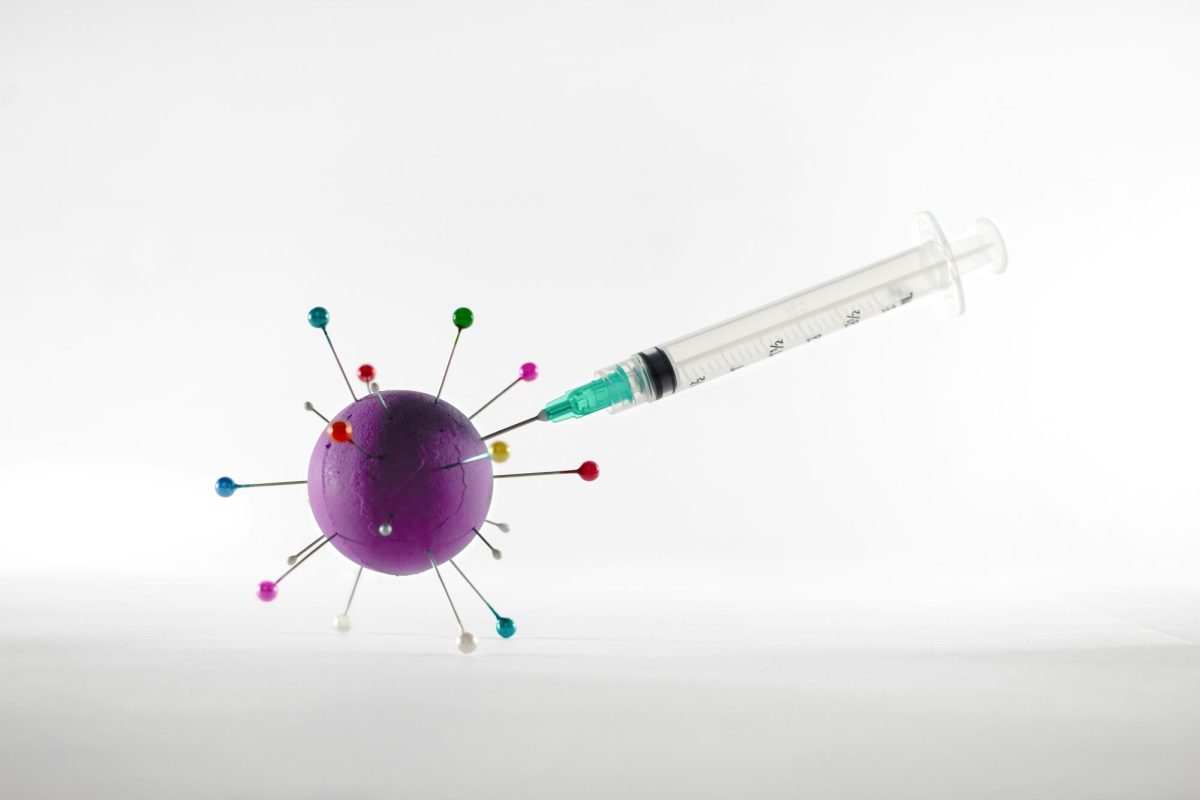
On January 5th, 2026, an announcement was made directly from the White House that the Childhood Vaccination Schedule had been updated. According to the post made directly from President Donald Trump’s social media, he states, “Effective today, America will no longer require 72 ‘jabs’ for our beautiful, healthy children. We are moving to a more reasonable schedule, where all children will only be recommended to receive vaccinations for 11 of the most serious and dangerous diseases.” (“What parents should know about the new childhood immunization schedule”) This post shocked the world and took many by surprise in the way it was dropped. Although this has been something that this administration has been pushing for since they were in office, many didn’t believe they would make this ultimate decision. These vaccinations have been widely accepted for over 30 years, and many people were unsure of who to believe. This updated schedule shouldn’t change for those who are well educated on what they believe in, but for those who are used to going with what is recommended without a second thought, there could be possible negative implications.
Of the 20 vaccines offered before the update, ten have been labeled as not needed for those who are not classified as high-risk or special cases, or the vaccines have had their dosages lessened. Those included are Dengue, RSV, Hepatitis A and B, Meningococcal ACWY and B, Covid-19, Flu, HPV, and Rotavirus. This was reassured as an improvement that is based on the World Health Organization’s Immunization Standard, but many people are wondering if there is one set way to vaccinate children who might live across the world in different environments, and if vaccines should be one size fits all.
Those who are not well educated and go with what is recommended will miss out on some crucial medications. Those include Dengue, which prevents dengue fever, which is a mosquito-borne illness contracted from travel to the tropics outside of the United States. RSV, which prevents Respiratory Syncytial Virus. This virus causes mild cold symptoms that can lead to pneumonia and bronchitis. Hepatitis A and B, which help prevent chronic illness that can be revealed early in someone’s life or later in life. Meningococcal ACWY and B, which prevents a rapid, life-threatening disease of septicemia and meningitis. COVID-19 and the flu shot, which now prevent most seasonal sicknesses. Rotavirus, which causes dangerous loss of fluids, mostly in young kids. Lastly, HPV, which prevents sexually transmitted diseases, but the dosage has only been lessened, not removed from being recommended.
Depending on lifestyle, some of those vaccines aren’t needed. As parents, they have the right to decide what they want to give their child at the time of their birth. Nothing has been completely removed from being offered, but parents might have to do a little bit more work to attain what they want. All is still offered and paid for, but not recommended. When making decisions pertaining to children, education, and honesty is crucial. Any chemical being injected into a child is not great, but sometimes it is needed. There is not a fail safe for any sickness from person-to-person. If someone believes that they want their child not get all the recommended shots, it is ultimately up to the parent, but they have to be responsible for their child and make an educated decision. If a child, per say isn’t vaccinated for sexually transmitted diseases, the parent needs to be honest and let them know they have to be careful and aware of their life choices.
All this goes to say that if someone is so worried about the recommended vaccine schedule being changed, get educated. It is their responsibility and choice of what they put into their own body and their children’s. The schedule is only recommended, not forced, and not relying on a one-size-fits-all solution is the best option for all choices made in life.
Work Cited
“What parents should know about the new childhood immunization schedule.” Yale School of Public Health, 7 January 2026, https://ysph.yale.edu/news-article/what-parents-should-know-about-the-new-childhood-immunization-schedule/. Accessed 30 January 2026.